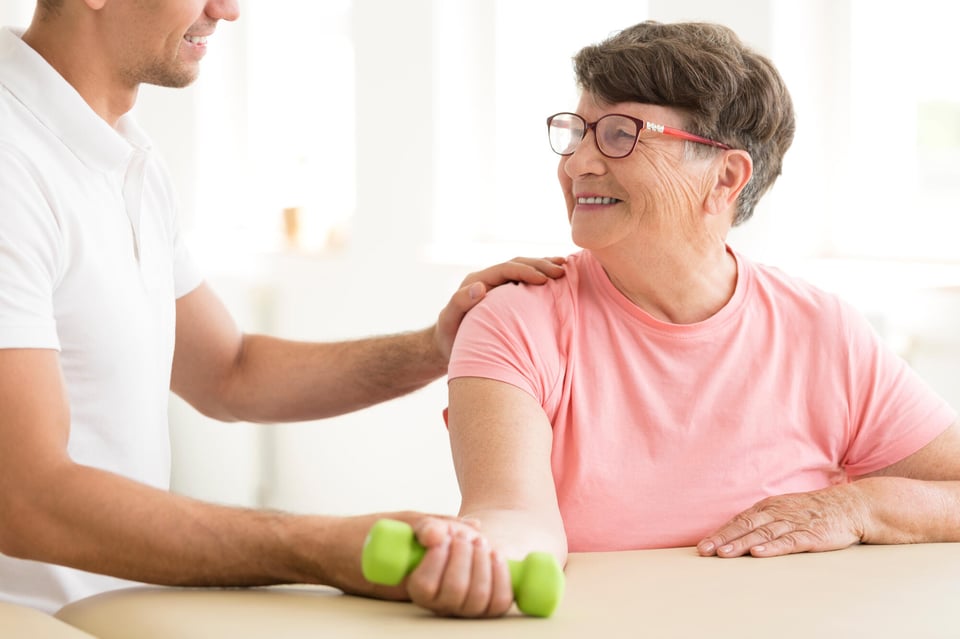
Brain rehabilitation exercises can help older adults support mental focus and coordination by combining gentle movement with simple attention tasks. Seated cross-body reaches, heel-toe rocking, finger-to-thumb taps, slow marching with naming prompts, and supported side steps can all strengthen follow-through, balance, and body awareness.
Have you ever noticed your focus or coordination slip after an illness or as you've gotten older? Today, we're taking a closer look at how brain rehabilitation can encourage daily brain support and mental coordination tips that fit into real life.
It's important info for seniors in New Castle, Indiana, a small city known for its friendly community feel, local parks, and strong ties to Indiana basketball tradition.
What "Brain Rehabilitation" Can Mean for Older Adults
Brain rehabilitation can sound like something that only happens in a clinic. For many older adults, it can simply mean practicing skills that support attention, balance, and everyday coordination. It often includes small, repeatable actions that help the brain and body work together with less effort.
Brain health after illness and cognitive recovery in aging often improves with steady practice that feels safe and manageable.
- Attention and follow-through
- Coordination and body awareness
- Confidence with daily routines
Attention and Follow-Through
Short movement routines can help a person stay present and finish a task. A simple pattern, like lifting one foot at a time, gives the brain a clear job to track.
Coordination and Body Awareness
Slow, controlled motions can support timing and control. They can help with steady steps, smoother reaching, and better hand use during daily activities.
Confidence With Daily Routines
Repeating gentle practice can build trust in the body again. Over time, many people feel more capable during normal tasks at home or in enrichment in assisted living.
How Movement Connects to Attention, Coordination, and Mental Energy
Gentle movement can support mental focus in ways that feel natural and low-pressure. When the body moves with control, the brain has to pay attention to timing, position, and follow-through. That mix can be useful for daily brain support, especially when routines start to feel harder than they used to.
- Body awareness and balance
- Attention through simple patterns
- Mental energy and confidence
Body Awareness and Balance
Slow movements help the brain track where the body is in space. That awareness can improve steadiness when standing up, turning, or reaching for an object. Many people notice fewer "wobbly" moments when they practice often.
Attention Through Simple Patterns
Repeating a movement pattern gives the mind one clear task to follow. The brain stays engaged while it checks the rhythm and direction. Over time, that steady focus can turn into helpful mental coordination tips for everyday tasks.
Mental Energy and Confidence
A short session can feel refreshing instead of draining. Small wins can build momentum, which matters for cognitive recovery in aging. Brain health after illness can feel fragile at first, so gentle practice helps many people feel more capable again.
Brain Rehabilitation Exercises That Pair Gentle Motion with Mental Focus
Brain rehabilitation exercises can work best when they feel simple, steady, and easy to repeat. Many of these options work well in a chair, and they can fit into a routine without feeling overwhelming.
- Seated cross-body reaches
- Heel-toe foot rocking for rhythm
- Finger-to-thumb taps with pattern changes
- Slow marching with name-and-notice attention
- Side steps with pause-and-balance
Seated Cross-Body Reaches
Sit tall with both feet on the floor. Reach your right hand toward your left knee, then return to center.
Switch sides and move slowly. Keep your eyes on the moving hand to help your attention stay steady. Aim for 6 to 10 reaches per side.
Heel-Toe Foot Rocking for Rhythm
Keep your heels down and lift your toes, then press your toes down and lift your heels. Move in a smooth rhythm while seated.
Count each rock out loud from one to ten. The counting adds mental coordination tips without making the movement harder.
Finger-to-Thumb Taps With Pattern Changes
Touch your thumb to your index finger, then middle, ring, and pinky. Reverse the pattern back to the index finger.
Go slow and keep the taps even. If you want a challenge, skip a finger each time. That small change can support cognitive recovery in aging.
Slow Marching With Name-and-Notice Attention
March in place while seated, lifting one knee at a time. Keep your shoulders relaxed and your posture upright. As you march, name five things you see in the room. That focus task can support brain health after illness when attention feels scattered.
Side Steps With Pause-and-Balance
Stand near a counter and place fingertips on the surface for support. Step one foot to the side, bring the other foot to meet it, then pause for a moment. Keep your gaze forward and breathe slowly. Repeat in both directions with control.
Frequently Asked Questions
How Do Brain Rehabilitation Exercises Differ From Regular Exercise?
Brain rehabilitation exercises focus on control, attention, and coordination. Regular exercise often aims to build strength, stamina, or flexibility.
Rehab-style movement tends to move slower and uses simple patterns. The goal is to help the brain stay engaged while the body moves.
Many routines include focus cues, like tracking a hand with your eyes or pausing at the end of a step. That mental effort can support daily brain support, even when the movement feels gentle.
What Helps with Brain Health After Illness When Energy Is Limited?
Low energy can make it hard to stay consistent, so pacing matters. Try short sessions that last two to five minutes. Rest longer than you move if needed.
Seated movements can help on tired days. Keep a notebook of how you feel before and after practice.
If fatigue hits fast, focus on one easy movement and stop early. Brain health after illness often improves when the body gets steady, repeatable practice without strain.
Brain Rehabilitation in New Castle
Brain rehabilitation exercises work best when they're simple, safe, and repeated often.
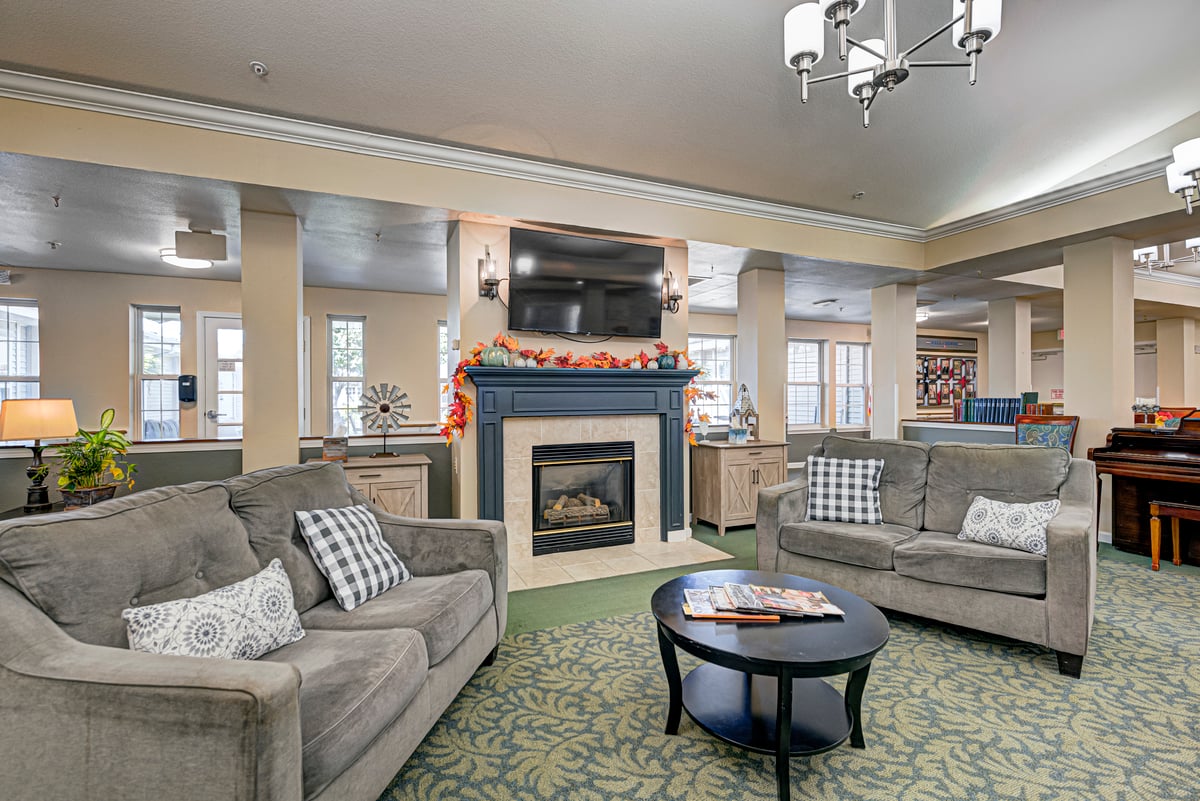
At Addison Place Assisted Living in New Castle, we offer a welcoming assisted living community where residents receive daily support with personalized care plans. Life here stays active with social events, outings, faith services, and resident council meetings. Our private apartments provide comfort, storage, and convenient access to dining and activities.
Get in touch today to find out how we can help with your loved one's care.